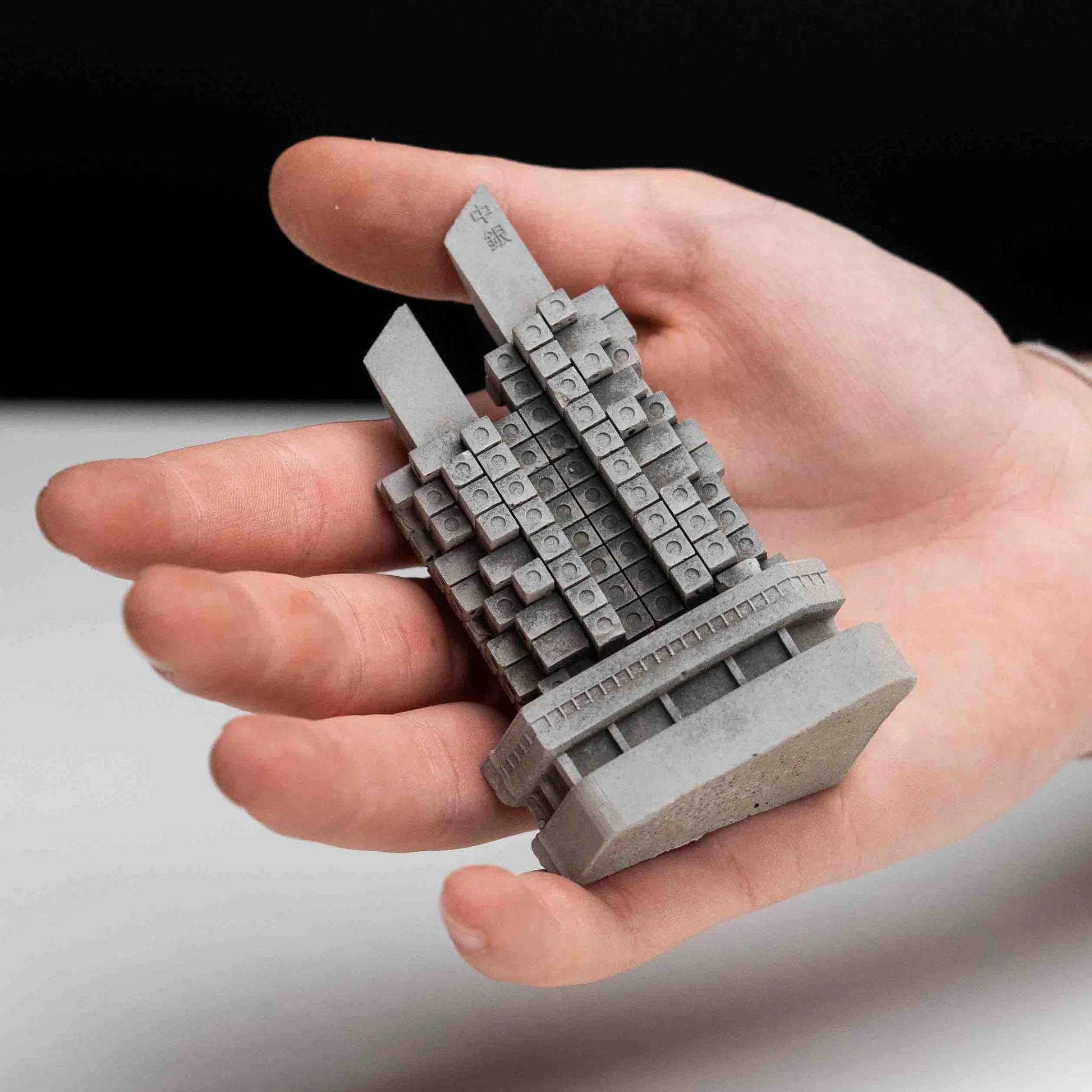
Legacy
Tucked away in an art gallery in the backstreets of Tokyo, two lonely metal boxes are almost all that remains of one of the city's most iconic and radical buildings.
The Nakagin Capsule Tower, completed in 1972, was once hailed as a revolutionary vision of urban living. Designed at the height of Japan's post-war boom, it wasn't just a building, it was an idea. A bold attempt to rethink how cities grow, adapt and survive.
For fans of this futuristic structure, it represented the pinnacle of architectural ambition. For others, it was a noble failure. Either way, the Capsule Tower is gone, but its legacy lives on.
In the heart of Tokyo's Ginza district, the Nakagin Capsule Tower once stood as a testament to innovation. Designed by architect Kisho Kurokawa, the building was a striking example of Japan's Metabolist movement: a post-war architectural philosophy that viewed cities as living organisms capable of growth and regeneration.
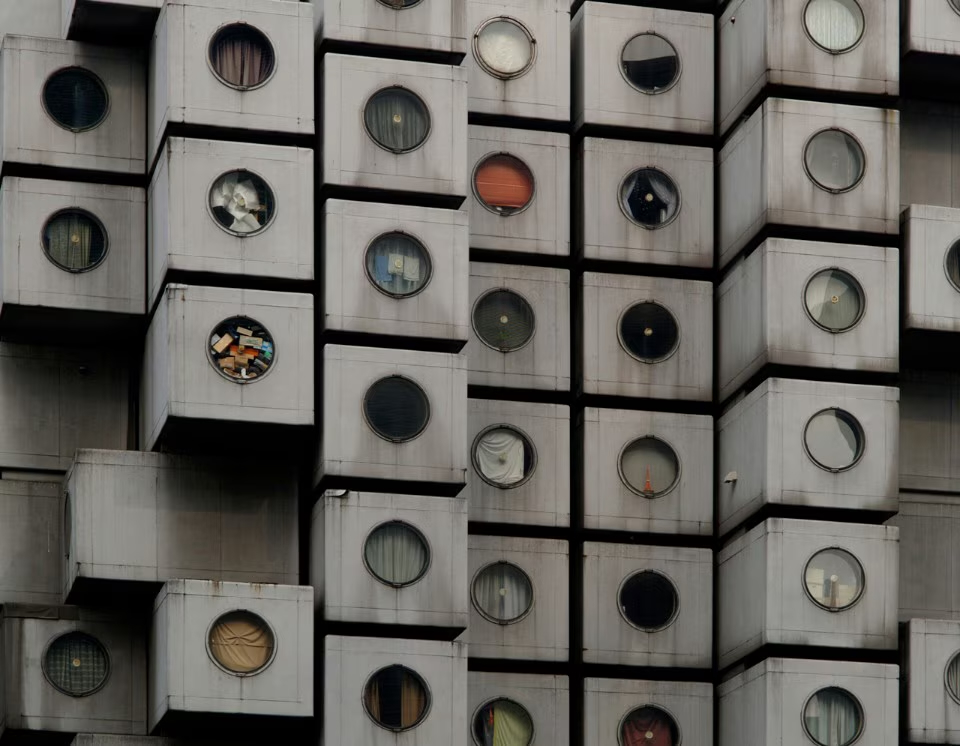
Its 140 capsule units, each measuring just four metres by 2.5, were bolted onto two concrete towers like Lego bricks. Each one was prefabricated in a factory, trucked to the site, and installed in just three hours.
The idea was radical: when a capsule wore out, it could be swapped for a new one, just like changing the parts on a car.
"The Nakagin Capsule Tower was never meant to be static," explains Tatsuyuki Maeda, a preservationist who helped save several of the capsules from demolition. "It was designed to evolve."